There is a version of the Japanese real estate dream that has become almost too familiar online: an old house in the countryside, a low price, a poetic view, and the vague promise that a new owner can turn it into a guesthouse, studio, retreat, or second life.
Most of the time, that story is too simple.
The more interesting cases are not the cheapest houses. They are the properties where the dream is attached to actual operating infrastructure: licenses, guest rooms, kitchens, baths, road access, utilities, local obligations, and a place that already has a reason for guests to travel there.
That is why the Norikura Kogen compound near Matsumoto is worth looking at carefully.
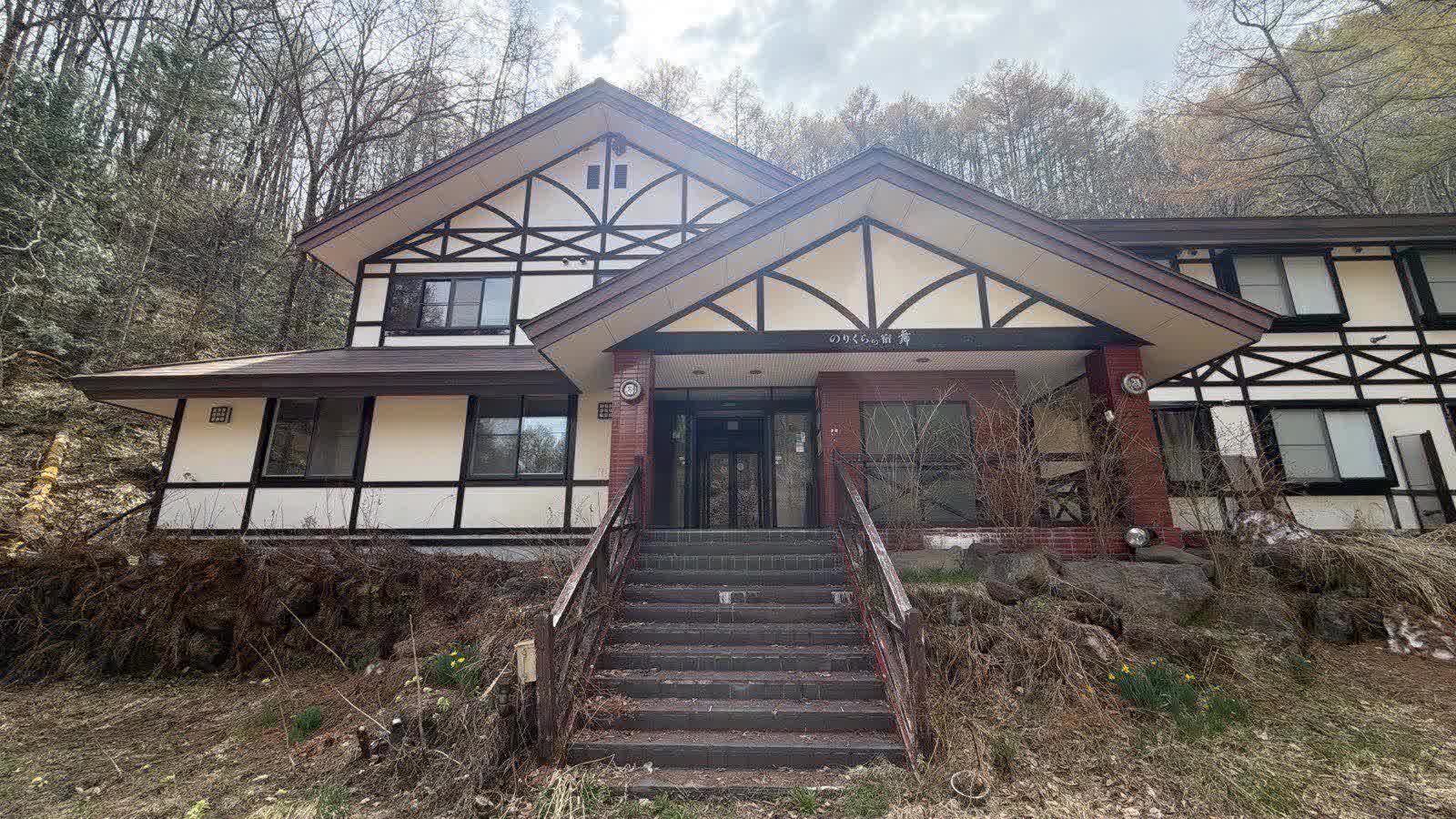
On paper, it sounds almost unreal: a four-structure hospitality and residential compound in the highlands of Nagano Prefecture, inside Chubu Sangaku National Park. The package includes Ryokan Mai, a 12-room licensed inn; Pension Karin, a smaller chalet-style pension; and two vacant detached villas. The Akiyaz property record lists the price at JPY 60,000,000, with 25,284.59 sq m of total land including private-road interests.
It is not a house. It is not a simple akiya. It is a small mountain campus.
And because it is real, it comes with the kind of details that separate a serious buyer from a fantasy buyer.
The Thing People Want Is Actually Here
Norikura Kogen is not a made-up lifestyle brand. It is a real highland resort village on the Matsumoto side of the Northern Alps, at the southern end of Chubu Sangaku National Park. The area has skiing, alpine trails, waterfalls, cycling, hot springs, and the seasonal rhythm that mountain hospitality depends on.
The compound sits in that context.
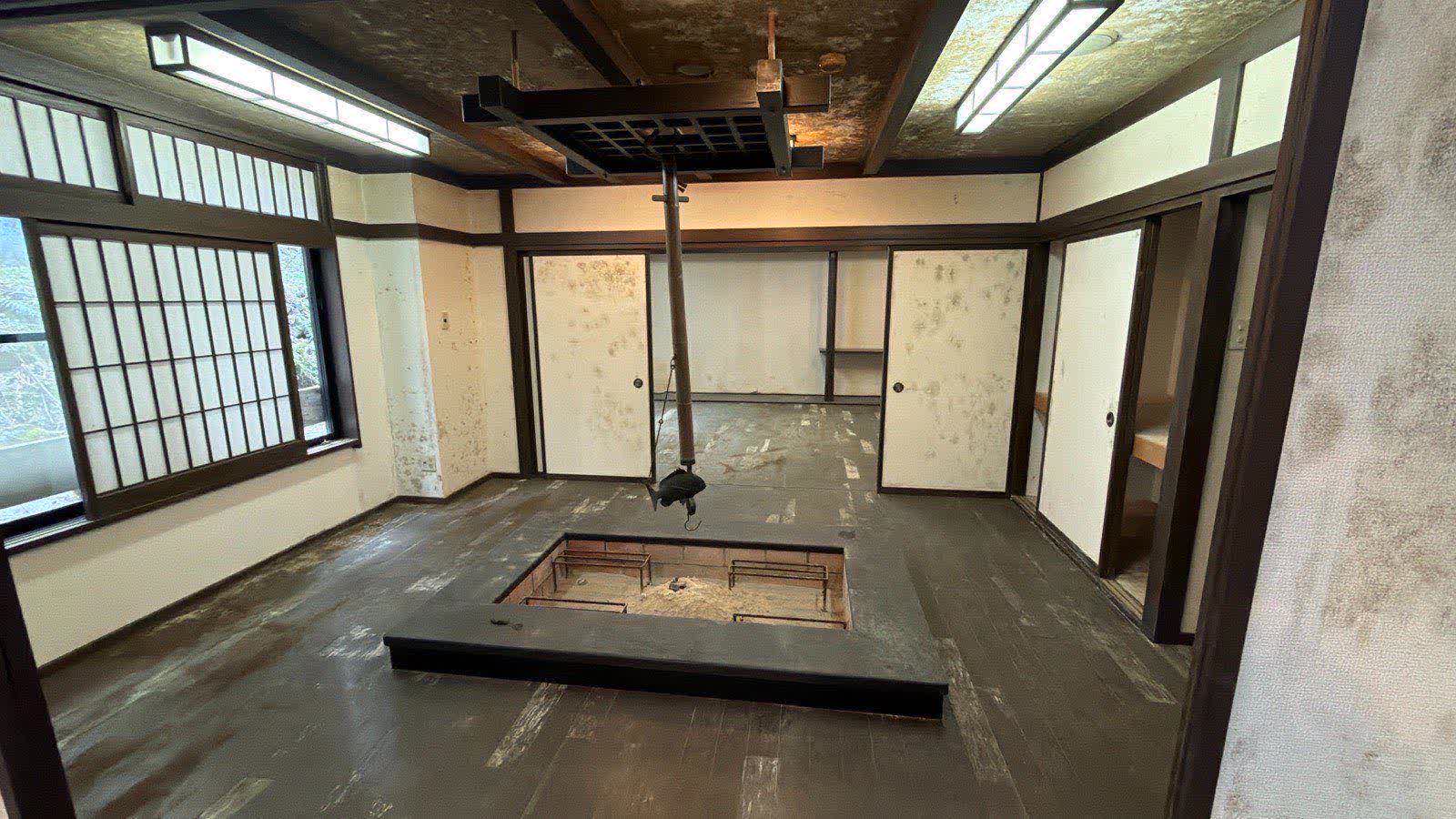
The main building, Ryokan Mai, was built in December 1995. It has 801.41 sq m of floor area across two storeys, 12 guest rooms, a restaurant, banquet room, irori hearth rooms, commercial kitchen, reception area, staff space, machinery room, and communal baths. It is the operating heart of the property.
Pension Karin was built in January 1995. It is a smaller wood-frame pension of 352.76 sq m, with a chalet atmosphere, dining space, guest rooms, and lounge areas. The two additional villas were built in 1991 and 1992 and are currently vacant.
That mix matters. A future owner is not starting with an empty house and trying to imagine a hospitality use. The property already contains a hospitality framework: rooms, dining, bathing, staff areas, owner or staff accommodation potential, and separate structures that could support retreats, private stays, longer-term guests, or phased renovation.
This is the rare part.
In rural Japan, many beautiful properties are cheap because they have no operational path. This one is complicated because it does.
The Onsen Story Is Strong, but It Is Not Automatic
The most marketable word in the whole property is “onsen.” It is also the word that requires the most careful reading.
Ryokan Mai uses water from the Suzuran Onsen Cooperative. The available documents state that direct assignment of the water rights is not allowed. A new owner who wants continued hot spring supply must apply to join the cooperative, receive committee approval, pay a JPY 100,000 joining fee, and pay JPY 38,000 per month in water charges. The water arrives at about 38 C, so it needs boiler heating to reach bathing temperature.
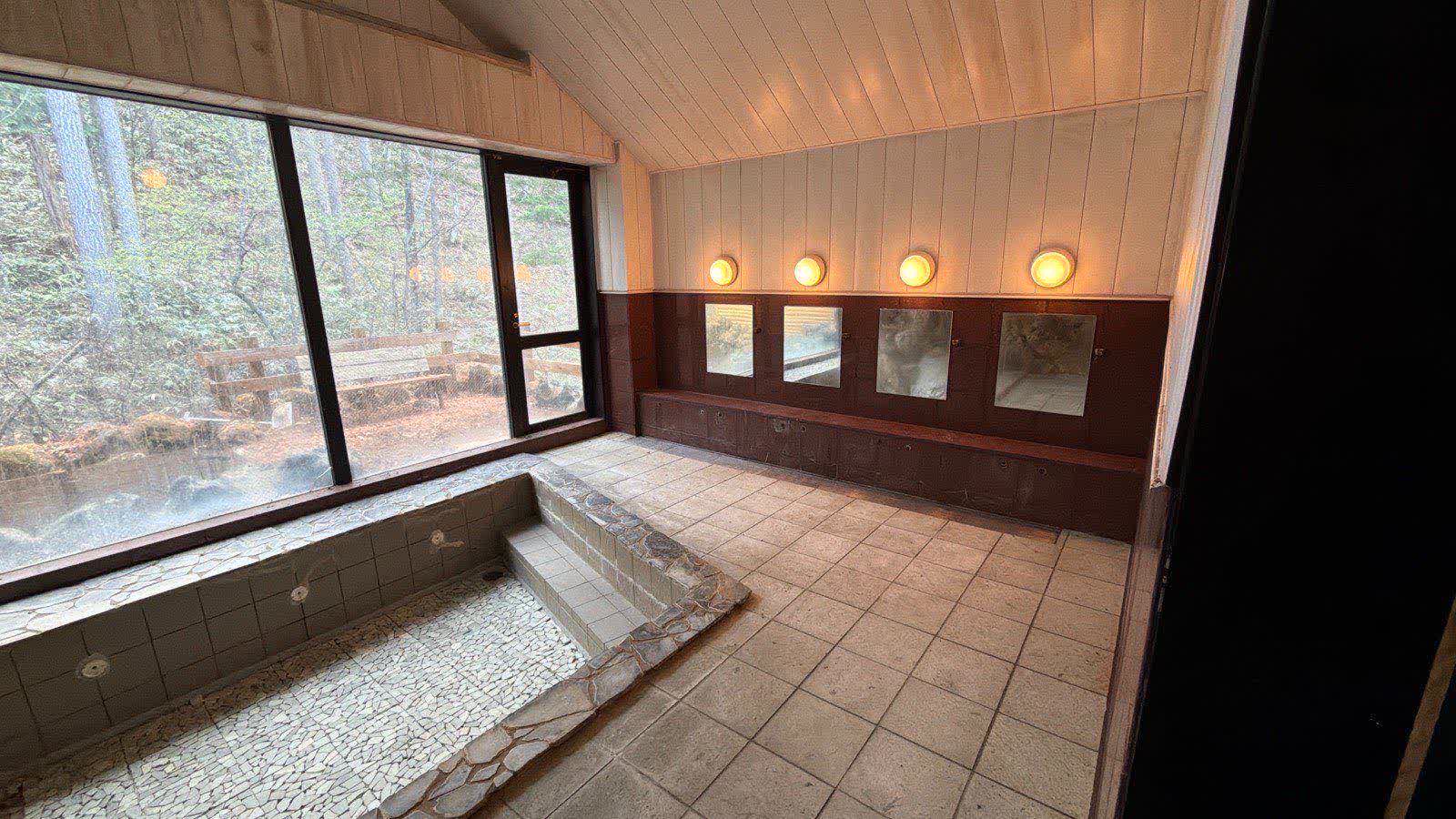
Pension Karin has a separate relationship with the Shirahone Onsen Cooperative’s Group 7. Continued access requires a new buyer application and unanimous approval by the current Group 7 members. The Shirahone water is high-sulfur and milky-white, which is part of its appeal, but also means ongoing pipework and equipment management is not optional.
That is the real onsen business. It is not just “hot spring included.” It is cooperative membership, approval, monthly cost, boiler fuel, sulfur management, repair planning, and local relationship management.
For the right buyer, that is not a reason to walk away. It is the moat. If continued, the two onsen relationships give the compound a bathing proposition that a generic lodge cannot copy.
But it has to be treated as an operating asset, not a decorative amenity.
National Park Land Is Both the Magic and the Constraint
The property is inside Chubu Sangaku National Park, in a Type 2 Special Zone. That is part of the appeal. The setting is protected, alpine, forested, and hard to reproduce.
It also means a future owner cannot treat the land like a normal private development site.
The property brief flags that construction, renovation, exterior painting, demolition, land formation, tree felling, signage, and similar actions may require advance notification and approval through local and prefectural channels to the Ministry of the Environment. Coverage ratio is capped at 20 percent and floor area ratio at 40 percent. Tree felling can involve both Natural Parks Act and Forest Law procedures.
This is why “I will just renovate it into a boutique hotel” is not enough of a plan.
A better plan starts from the opposite premise: what can be improved while respecting the existing buildings, the existing landscape, and the approval path?
That kind of buyer may find more upside here than a speculative developer would. The property already has massing, buildings, access, and hospitality use. The opportunity is not to erase the site and start again. It is to make the existing compound legible, reliable, and desirable.
The Hard Facts Are Not Hidden
The diligence notes are direct.
Ryokan Mai has known bath-area basement leakage requiring repair. A septic inspection from June 2022 found abnormalities in the blower, pump, and piping that require repair before continued use. A May 2022 fire safety inspection found deficiencies involving fire extinguishers, the alarm receiving panel, and smoke detectors. The building confirmation documents for Mai are not available as copies, although the records identify application and inspection certificate numbers.
Pension Karin’s building confirmation could not be verified in city records. The two villas have been long unoccupied, and their septic condition should be inspected before use. All structures are transferred as-is. No geotechnical or asbestos survey has been conducted.
These are not footnotes. They are the acquisition case.
A buyer who wants a polished asset should not confuse the price with the finished project cost. A buyer who understands adaptive reuse, local approvals, mechanical systems, guest safety, and staged capital expenditure will read the same facts differently.
The question is not “Is there work?”
There is work.
The question is whether the result justifies it.
Why This One Still Deserves Attention
The reason the Norikura compound stays interesting is that the upside is not abstract.
There is a licensed ryokan. There is a companion pension. There are two vacant villas. There is a large land package. There is ski and trail access. There is proximity to Shirahone Onsen, Norikura Kogen Ski Area, national-park routes, waterfalls, alpine roads, and Matsumoto city about 40.6 km away by road.
The location supports more than one season. Winter can mean ski stays, snowshoeing, frozen waterfalls, and hot spring recovery. Spring brings snow corridor trips and the slow return of highland vegetation. Summer is cooler than the city, with trekking, cycling, waterfalls, and stargazing. Autumn brings foliage, soba, photography, and long weekends.
That is not a mass-market hotel thesis. It is a small destination thesis.
The right future use probably looks less like a generic resort and more like a carefully run alpine base: limited rooms, serious baths, simple local food, guided nature programming, owner or staff housing on site, and enough design discipline to make the whole compound feel intentional again.
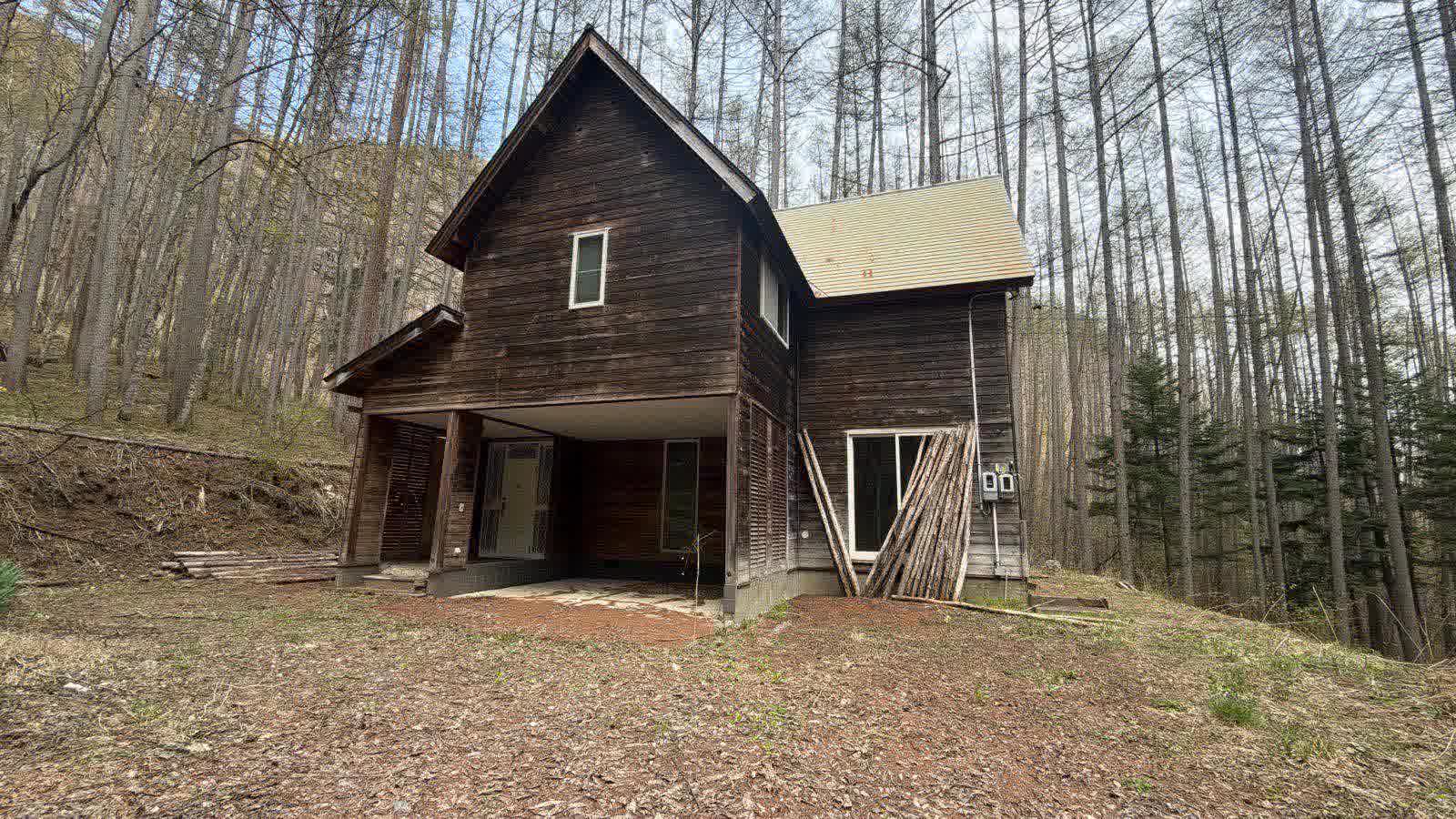
The two villas are especially important in that model. They give the property flexibility that a single inn does not have. They could support owner residence, staff accommodation, private rental, artist or guide housing, retreat overflow, or renovation in stages while the main hospitality operation is stabilized.
The Buyer Is the Business Model
This property will not become simple just because someone buys it.
The buyer has to be able to deal with cooperative approvals, repairs, national-park constraints, winter access, septic systems, fire safety, fuel costs, local associations, and guest expectations. They have to be comfortable with Japanese rural operating reality, not just Japanese rural imagery.
But that is also why the property is compelling.
Japan does not need more people buying rural buildings as souvenirs. It needs operators who can take existing assets seriously: repair them, respect the community structure around them, and build businesses that make the place more durable than it was before.
Norikura Kogen gives that kind of buyer a strong starting point.
Not a blank slate. Something better: a real place, with real constraints, and enough existing bones to justify doing the work.
For anyone looking at rural Japan through the lens of hospitality, this is the difference between buying a fantasy and buying an assignment.
The fantasy is the onsen ryokan in the mountains.
The assignment is making it work.
View the full Norikura Kogen property listing.
For serious buyers, this article is an editorial introduction, not a substitute for current registry checks, building review, onsen cooperative confirmation, legal advice, or repair estimates.